

The United States House Appropriations Committee has raised fresh concerns about the worsening attacks on Christians in Nigeria, warning that the country is rapidly becoming “one of the most dangerous places on Earth to follow Christ.”
In a strongly worded statement released on Saturday through its official channels, the Committee expressed deep alarm over the escalating violence and the steady decline in religious freedom. The lawmakers stressed that the situation can no longer be ignored, urging Washington to step up its response.
Highlighting recent discussions, the Committee referenced Rep. Robert Aderholt, who has long advocated for global religious freedom. Aderholt noted that the reports and testimonies reaching Congress paint a troubling picture—one of persistent, targeted attacks against Christian communities. He emphasized that protecting vulnerable groups must remain a priority and warned that neglecting the crisis would only make it worse.
Nigeria has continued to capture the attention of foreign governments and human rights groups as it battles Boko Haram, ISWAP, banditry, and violent herder–farmer conflicts—many of which disproportionately impact Christian populations in the Middle Belt and northern states. Communities in Kaduna, Plateau, Benue, Taraba, and parts of Niger State have suffered repeated invasions, with villages burned, churches destroyed, and residents abducted or killed.
While Nigerian authorities often describe the violence as criminal or economically driven, many international observers believe the pattern reveals clear religious targeting. Some U.S. lawmakers have even labeled it “religious cleansing,” citing the repeated assaults on Christian-majority towns and places of worship.
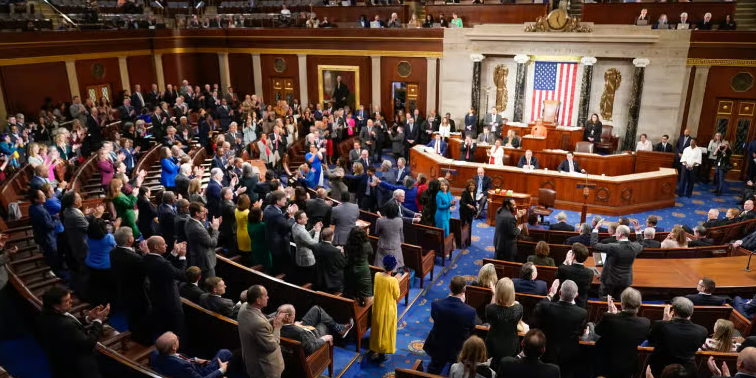
In recent months, members of Congress have held several hearings and roundtables featuring testimony from victims, researchers, and advocacy organizations. These discussions have renewed debate about Nigeria’s removal from the U.S. “Country of Particular Concern” list in 2021a n action that many lawmakers strongly opposed. With tensions rising, there is growing pressure for a policy review and firmer diplomatic engagement.
The latest warning from the House Appropriations Committee suggests the issue may influence upcoming U.S. budget and foreign-policy decisions. Congress may consider placing stricter conditions on military support and humanitarian aid if Nigeria does not improve protections for vulnerable groups.
Advocacy groups monitoring global religious persecution have welcomed the Committee’s renewed focus, describing it as a sign that Nigeria’s security challenges are increasingly recognized as a global concern not just a domestic issue.
Source Politics Nigeria